Locked Out? When to Call a Residential Locksmith and When to Replace the Lock Yourself
Understanding the Two Paths Forward
Finding yourself locked out of your own home is a frustrating moment. The immediate question is whether to call a professional for help or to handle the problem on your own. Both options have their place, and the right choice depends on a few practical factors. This article compares the two approaches so you can decide which one fits your situation.
When you are standing outside with no way in, the first instinct might be to grab a tool and try to force the lock open. But locks are more complex than they look. A standard deadbolt, for example, has a latch that slides into the door frame. If you try to force it, you risk damaging the door or the frame, which then leads to a more expensive repair. On the other hand, calling a residential locksmith means someone with the right tools arrives and can often get you inside without any damage at all. That is where the idea of fast residential lockout help comes into play, and it is exactly what many homeowners need in the moment.
However, there are times when replacing the lock yourself is the smarter move. If you have a spare key and a basic understanding of how the lock works, swapping out a lock cylinder or a whole deadbolt is a straightforward DIY task. The key is knowing the difference between a simple lockout and a situation that calls for professional judgment.
What a Professional Locksmith Brings to the Table
A trained locksmith does not just open doors. They assess the lock, the door frame, and the type of hardware involved. For most standard residential locks, a professional can perform non-destructive entry, which means they unlock the door without drilling or breaking anything. This preserves the integrity of your lock and saves you the cost of a replacement.
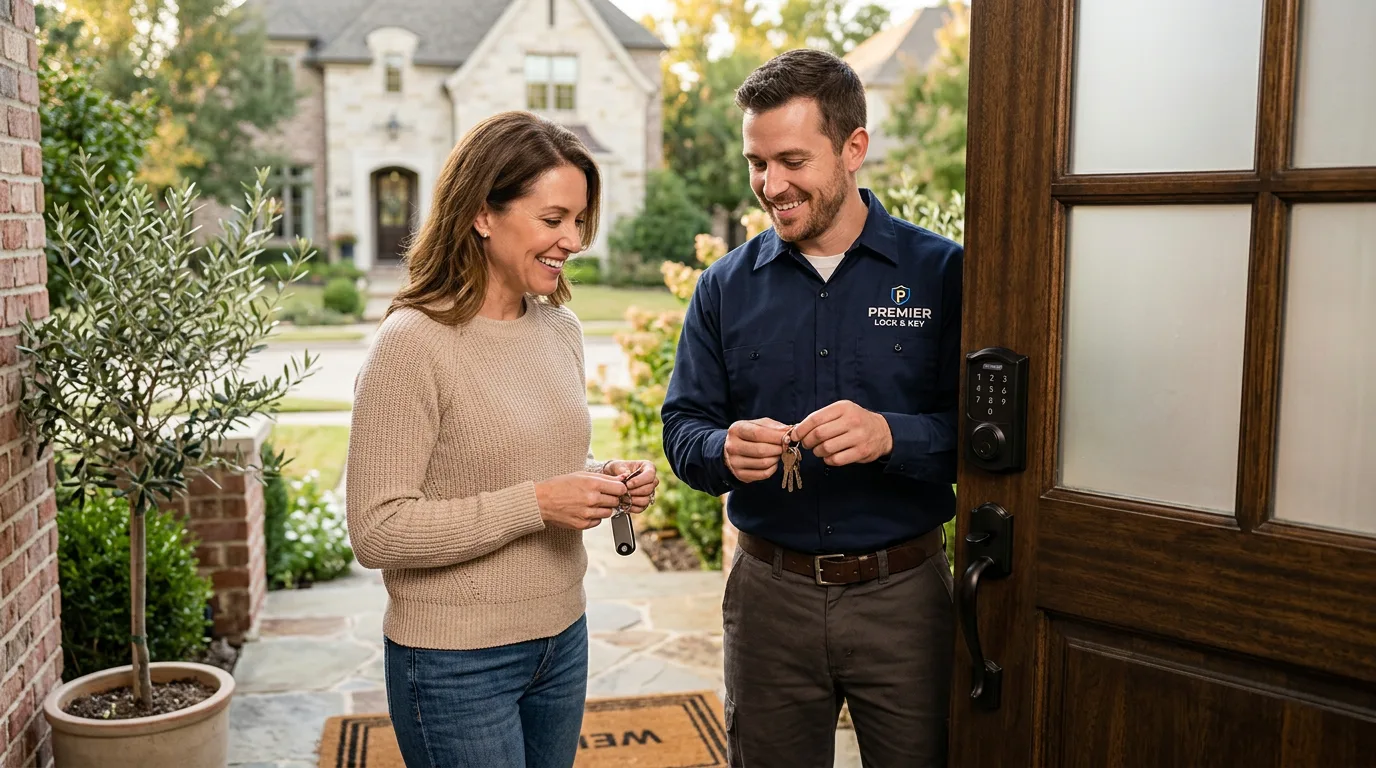
Another aspect is convenience. Locksmiths carry a wide range of tools and parts. If your lock is old or worn, they can suggest a replacement on the spot. They also handle the proof of residence requirement when needed, which is a common practice to ensure they are working for the rightful homeowner. This is especially useful if you have lost your keys and need a new set cut or a new lock installed.
For a homeowner who is not handy with tools, calling a professional removes the guesswork. The locksmith will know exactly how to handle a stuck latch or a misaligned door frame without making things worse. And if you need fast residential lockout help, a mobile locksmith can be at your door within minutes, ready to get you back inside.
When DIY Lock Replacement Makes Sense
Replacing a lock yourself is a good option if you have the right tools and some basic mechanical confidence. A typical deadbolt replacement involves removing a few screws, sliding out the old unit, and installing the new one. The same goes for a simple latch or knob set. If you have a spare key that works, you can often swap the lock cylinder without changing the entire assembly.
One advantage of DIY is cost. You avoid the service call fee and pay only for the parts. But there are trade-offs. If you make a mistake, you could end up with a lock that does not fit properly, a door that does not close, or a security risk. Also, if you have a high-security lock or a smart lock, the installation may require programming or alignment that is beyond a basic DIY skill set.
Another thing to consider is the time. If you are locked out at night or in bad weather, running to a hardware store and installing a new lock might take longer than waiting for a professional. In those situations, a quick service call can be the faster solution even if it costs more.
Comparing the Two Approaches Side by Side
Here is a simple comparison to help you decide:
- Time: A professional can often get you inside within 15 to 30 minutes. DIY requires a trip to the store and installation time, which can take an hour or more.
- Cost: DIY costs only the price of the lock. A service call includes the locksmith's time and travel, but it also includes their expertise and tools.
- Risk: Non-destructive entry by a pro leaves your lock intact. DIY may damage the lock or door if you are not careful.
- Security: A professional can assess the security of your existing lock and recommend upgrades. DIY relies on your own knowledge.
- Convenience: For a simple lockout, calling a locksmith is the most hands-off option. For a planned replacement, DIY gives you control over the process.
Key Factors That Affect Your Decision
The Type of Lock
Not all locks are the same. A standard bore lock with a latch is easier to replace than a mortise lock or a multi-point locking system. If your lock is an older or unusual type, finding a matching replacement at a big-box store can be difficult. A locksmith can identify the exact model and bring the right part.
The Condition of the Door and Frame
A door that has swollen from humidity or a frame that is out of square can cause a lock to stick. Replacing the lock may not fix the alignment issue. A locksmith can adjust the strike plate or shave the door to restore proper function. DIY fixes in these cases often lead to a lock that does not work smoothly.
Proof of Residence and Legal Concerns
If you are locked out of a rental property or a home you just moved into, you may need to show proof of residence before a locksmith will work on the lock. This is a standard practice to prevent unauthorized entry. If you are the homeowner, having your ID ready makes the process smooth. For DIY, you skip this step entirely, but you also lose the legal protection that a licensed professional provides.
When to Call a Locksmith
Call a professional when you are locked out and have no spare key, when the lock is damaged or broken, or when you need fast residential lockout help in an emergency. Also call if you have a high-security lock, a smart lock, or a lock that is part of a larger system like a master key setup. A locksmith can also help if you have lost your keys and need new ones cut or the lock rekeyed.
When to Replace the Lock Yourself
Replace the lock yourself when you have a spare key that works, the lock is a standard model, and you have the tools and time to do the job. This is also a good option if you want to upgrade to a new lock and are comfortable following basic instructions. For a simple deadbolt swap or a knob replacement, DIY is often the faster and cheaper route.
Final Thoughts
Both options have their place in a homeowner's toolkit. The best approach depends on your situation: the type of lock, the urgency, your comfort with tools, and your budget. For a simple lockout, calling a residential locksmith is usually the safest and quickest path. For a planned upgrade or a straightforward replacement, DIY can save you money and give you a sense of accomplishment. Understanding the trade-offs helps you make a confident decision the next time you find yourself locked out or thinking about changing your home's security.